

Aristotle University of Thessaloniki
Aristotle University of Thessaloniki, founded in 1925, is the largest University in Greece. The main campus is located in the centre of the city of Thessaloniki, and covers an area of about 33.4 hectares, while some educational and administrative facilities are located out of the campus. It comprises 10 faculties which consist of 40 schools and 1 single-School Faculty. Forty-one (41) undergraduate and ninety-two (92) master study programs are in operation in individual schools, in addition to several interdepartmental, interuniversity and international study programs. About 80.000 students study at the Aristotle University, and the Teaching and Research Staff (D.E.P.) accounts more than 1.600 faculty members.
The School of Pharmacy, founded in 1955, is housed in the Biology Building, and covers a wide range of different areas of science, including pharmacology, pharmacognosy, pharmaceutical chemistry and pharmaceutical technology. The School of Biology was founded in 1973, when the School of Natural Sciences was divided into the School of Biology and the School of Geology. It covers a wide range of disciplines related to biology, ranging from genetics, developmental and molecular biology to ecology, conservation biology, zoology and botany.
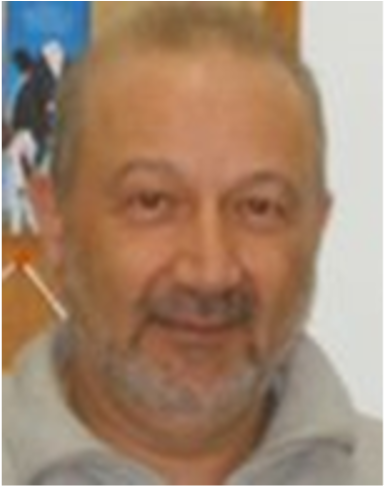
Theodoros Sklaviadis
Dr. Theodoros Sklaviadis is Emeritus Professor at School of Pharmacy, AUTH. He has been Director of the Laboratory of Pharmacology and Scientific Director of the Neurodegenerative Disorder Research Group. His research interests focus on the study of different aspects of neurodegenerative disorders, with emphasis on Prion diseases. His research activities focus on the study of molecular mechanisms involved in neurodegenerative disorders pathogenesis, on the identification and evaluation of diagnostic biomarkers and on the development and evaluation of novel intervention approaches, including the evaluation of the antioxidant effects exerted by naturally occurring compounds. He is widely recognized, as substantiated by his published work in high-impact scientific journals and his involvement in 33 research projects funded by the European Union or national funds.
- Published research papers: 95
- Book chapters 1.
- ORCID ID: https://orcid.org/0000-0002-0246-3100
- Pubmed link: https://pubmed.ncbi.nlm.nih.gov/?term=sklaviadis+theodoros
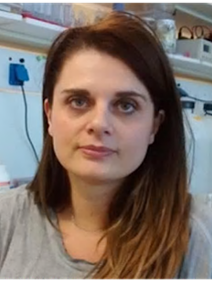
Dimitra Dafou
Dr. Dimitra Dafou is Associate Professor at School of Biology, AUTH. She received a Bachelor’s degree in Molecular Biology from the University of Liverpool. She specialized in Medical Genetics and Immunology through a corresponding Postgraduate Degree Program at Brunel University, London, where she continued to work conducting funded PhD research (AstraZeneca Studentship). Subsequently, she was awarded a Post Doctoral Fellowship Program Grant (UCL) for post-doctoral research at Queen Mary University. She is specialized in the field of research involving the detection and functional study of novel molecular targets in the context of disease. Dr. Dimitra Dafou is the head of a research group at the Department of Genetics, Developmental and Molecular Biology at the School of Biology. With extensive experience, she delves into the molecular processes underlying the pathogenesis of neurodegenerative diseases, while also seeking out molecules with prophylactic or protective properties, including those derived from natural sources. She has expertise in the development and exploitation of in vitro and in vivo models and has also played a pivotal role in establishing protocols for the extraction of bioactive fractions from vinification by-products, contributing significantly to sustainable research practices. She conducts innovative research, financed by national and European sources, and has extensive experience in the management and implementation of research projects, validated by her involvement in 22 sucessful research projects, in 8 of which she was the scientific director.
- Published research papers: 55
- Book chapters 1.
- ORCID ID: https://orcid.org/0000-0003-4170-0612
- Pubmed link: https://pubmed.ncbi.nlm.nih.gov/?term=%20dimitra+dafou
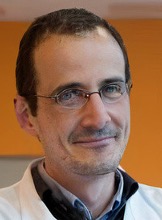
Konstantinos Xanthopoulos
Dr. Konstantinos Xanthopoulos is Associate Professor at the School of Pharmacy, AUTH. He received a Bachelor’s degree in Pharmacy from the School of Pharmacy, AUTH, in 2002. In 2010 he completed his PhD in the same school. During his PhD he worked on the biochemical characterization of Prion agents, and on the development of immunization approaches against Prion diseases. He then moved to the Rockefeller University in New York, where he worked on the immunization against neurodegenerative diseases using genetically modified trypanosomes, a research activity he continued at the School of Pharmacy, AUTH. At the same time, he was actively involved in the development and efficacy testing of photocatalytic methods for prion inactivation, and in the testing of micromolecular compounds against Prion diseases. Since 2013, as a postdoctoral researcher at the School of Biology of AUTH, he began to study molecular signaling in cancer, focusing on the role of CYLD in breast cancer. During the period 2016-2018 he was a researcher at the Department of Experimental Oncology of San Raffaele University in Milan, where he worked on molecular signaling in chronic lymphocytic leukemia and on the maturation mechanisms of beta lymphocytes. He has extensive experience in animal experimental models. He has been awarded a large number of fellowships, including the Marie Sklodowska Curie Individual Fellowship, in 2016. His research interests include the screening of synthetic and natural compounds in in vitro and in vivo models for assessment of their potential neuroprotective and antineoplastic effects. His research activities resulted in publications in high-impact scientific journals. He has also been a reviewer in high impact journals.
- Published research papers: 33
- Book chapters 1.
- ORCID ID: https://orcid.org/0000-0001-8759-8962
- Pubmed link: https://pubmed.ncbi.nlm.nih.gov/?term=%20konstantinos+xanthopoulos
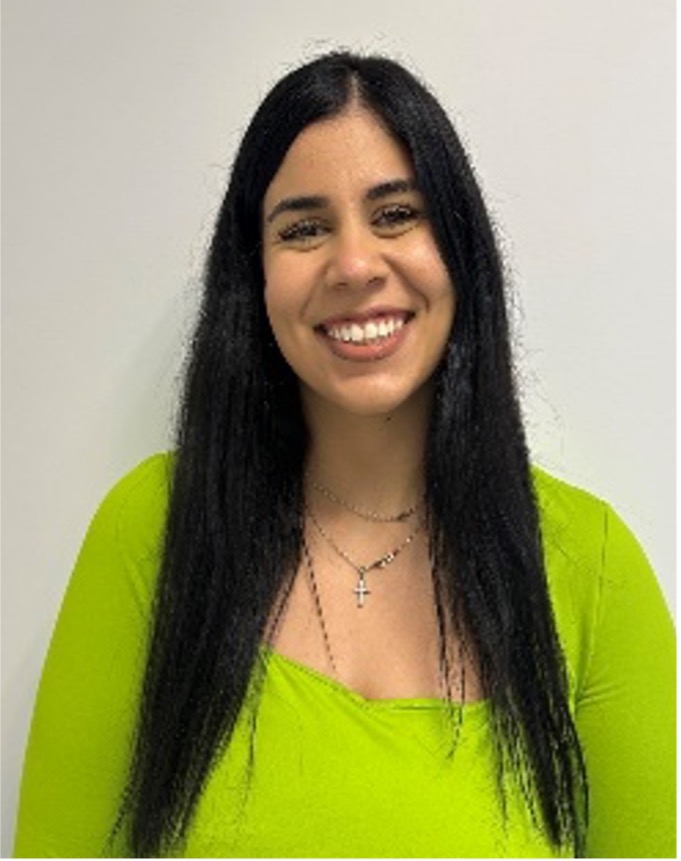
Nikoletta Christoudia
Nikoletta Christoudia is a Biologist. She graduated from the School of Biology, Aristotle University of Thessaloniki, and she is a PhD candidate at the Department of Genetics, Development and Molecular Biology of the same School. She has experience in the assessment of polyphenolic compounds (pure compounds or polyphenol-enriched fractions) bioactivity. In particular, she investigates the neuroprotective effects of polyphenols though in vitro studies utilizing neuroblastoma and microglial cell lines and molecular assays for the assessment and characterization of antioxidant and anti-inflammatory effects exerted by the compounds of interest.
- Published research papers: 2
- ORCID ID: https://orcid.org/0000-0002-3761-4159
- Pubmed link: https://pubmed.ncbi.nlm.nih.gov/?term=nikoletta+christoudia